 Insights, Stories & Impact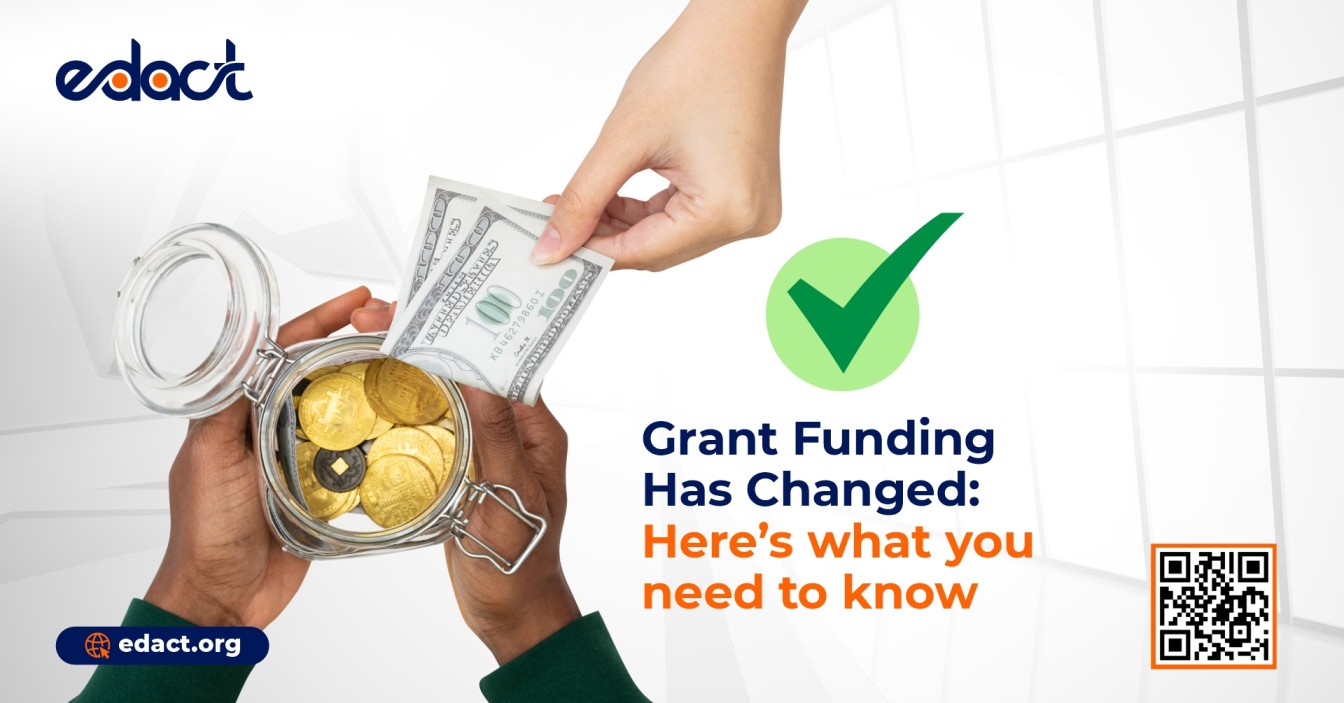
If you’ve applied for grants in the past and felt discouraged, or you’re just starting out and already overwhelmed, you’re not imagining things.
Grant funding has changed, and many small businesses, nonprofits, and community-led organizations are struggling to keep up.
For BIPOC and immigrant entrepreneurs especially, the shift has been noticeable. What once felt like a possible pathway to support now often feels confusing and out of reach. At EDACT, we see this every day in conversations with business owners and nonprofit leaders who are asking the same question:
Why does grant funding feel harder than it used to be?
The answer lies in how grants are being designed, evaluated, and distributed today.
Grants Are More Competitive Than Ever
More people are applying for grants than ever before. Economic uncertainty, rising costs, and reduced access to traditional financing have pushed many businesses and nonprofits toward grants as a lifeline.
At the same time, the number of available grants has not increased at the same pace. This means funders are receiving hundreds, sometimes thousands, of applications for limited funding.
What this means for your business:
A strong idea is no longer enough. Funders are looking for clarity, readiness, and proof that you can manage and sustain the funding responsibly.
Funders Are Now Prioritizing Readiness, Not Just Need
In the past, some grants focused heavily on need alone. Today, many funders want to see readiness, clear plans, systems, and accountability.
This includes:
- Financial records and budgets
- Clear goals and measurable outcomes
- Operational capacity to manage funds
- Alignment with the funder’s priorities
For many BIPOC and immigrant-led organizations, this shift can feel unfair. Systemic barriers have made it harder to build these systems in the first place. Still, this is the reality of the current funding landscape.
At EDACT, this is why we emphasize financial literacy, business structure, and operational clarity. These are no longer “nice-to-haves”,they are essential.
The Language is more Complex, but Expectations Haven’t Decreased
Many grant applications now use equity-focused language. On the surface, this can feel encouraging. But in practice, funders are still asking for detailed documentation, strong narratives, and measurable impact.
Simply identifying as a minority-owned or immigrant-led business is rarely enough. Funders want to understand:
- Who you serve
- How your work creates impact
- Why your approach is effective
- How funding will lead to sustainability
The challenge is not just telling your story, it’s telling it in a way that aligns with funder expectations while staying true to your mission.
One-Time Grants Are Less Common
Another major shift: fewer funders are offering “no-strings-attached” grants. Many are moving toward:
- Reimbursement-based grants
- Matching grants
- Program-specific funding
- Short-term pilot funding
This means you may need to spend money before receiving it, track expenses carefully, or demonstrate outcomes quickly.
For small businesses and nonprofits with limited cash flow, this can be risky if you’re not prepared. Understanding the structure of a grant is just as important as winning it.
Relationships and Alignment Matter More
Grant funding is no longer just about submitting applications. Relationships, partnerships, and alignment with funders’ missions play a growing role.
Organizations that stay visible, attend information sessions, build partnerships, and show consistent community impact are often better positioned when funding opportunities arise.
This is especially important for community-based organizations like those EDACT serves. Your work matters,but funders need to see it, understand it, and trust it.
What This Means for You
The current grant landscape can feel discouraging, but it also offers clarity. Funding is not just about luck,it’s about preparation.
Today, successful grant seekers tend to:
- Understand their numbers
- Clearly define their impact
- Build systems before applying
- Seek support early, not at the deadline
This is why EDACT’s work goes beyond pointing people to grants. We focus on helping entrepreneurs and organizations get ready,so that when opportunities appear, you’re not starting from scratch.
How Can We Support Your Business
At EDACT, we support businesses and nonprofits by:
- Building financial and operational readiness
- Offering technical assistance and capacity-building
- Sharing grant opportunities and funding insights
- Creating spaces to learn, ask questions, and prepare
We know that access to funding is not just about money, it’s about dignity, stability, and the ability to plan for the future.
Grant funding has changed, but with the right preparation, it can still be a meaningful resource.
If you’re a BIPOC or immigrant entrepreneur, nonprofit leader, or service provider trying to navigate today’s funding landscape, stay connected with EDACT. Follow our updates, join our programs, and take advantage of the resources designed to help you move from eligibility to readiness.
The goal isn’t just to apply for grants, it’s to be prepared to harness opportunity when it comes.